
Building the Impossible: Leadership Lessons From the 150 Case
The 150 Case took twelve years, hundreds of unique castings, and a team that refused to quit. Here's what that project taught me about leadership.
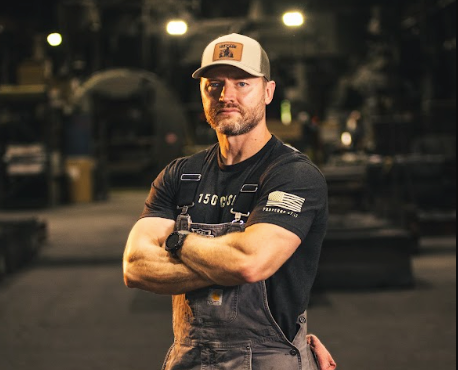
Kory Anderson
Manufacturer · Guinness World Record Holder · Keynote Speaker

When I was nine years old, I learned about the 150 HP Case Road Locomotive — the largest steam traction engine ever built. None of the originals survived intact. The idea of rebuilding one seemed impossible. That's exactly why I decided to do it.
The 150 Case project took twelve years from concept to completion. It required more than 250 unique castings, thousands of hours of machining and fabrication, and a team of skilled tradespeople who were willing to work on something that had never been done before. In 2018, we fired it up. In 2022, Guinness World Records officially recognized it as the Largest Steam-Powered Tractor in Operation.
The project taught me more about leadership than anything else I've done. Here's what I learned.
Vision Has to Be Specific
'Build the world's largest steam tractor' is a clear goal. Everyone on the team understood what we were working toward. Vague goals produce vague results. If you want people to commit to something difficult, they need to be able to see exactly what success looks like.
Patience Is a Competitive Advantage
In a world that rewards speed and celebrates quick wins, the willingness to work on something for twelve years is genuinely rare. Most people quit when progress is slow or invisible. The 150 Case required years of research, design, and casting before anything looked like a steam engine. The people who stayed were the ones who trusted the process.
You Can't Build the Impossible Alone
The 150 Case was a team effort. Machinists, welders, pattern makers, foundry workers, engineers, and volunteers all contributed. My job as a leader was to find the right people, give them clear direction, and get out of their way. The best leaders I know are the ones who build teams that are better than they are.
Mentorship Runs in Both Directions
Working on the 150 Case, I learned from people who had spent their entire careers in foundries and machine shops. Their knowledge was irreplaceable. At the same time, the project gave younger tradespeople a chance to work on something historic and develop skills they couldn't have gotten anywhere else. The best projects create that kind of mutual learning.
Problem-Solving Is the Job
Every week on the 150 Case brought new problems — castings that didn't fit, dimensions that needed to be recalculated, materials that weren't available. The team that can solve problems consistently, without losing momentum or morale, is the team that finishes the project.
Calculated Risk Is Different From Recklessness
Deciding to build the 150 Case was a risk. Acquiring Dakota Foundry was a risk. Every significant business decision involves uncertainty. The goal isn't to eliminate risk — it's to understand it clearly and make decisions with your eyes open.
The 150 Case is a steam engine. But the lessons it taught me apply to every business I've built, every team I've led, and every challenge I've faced since. The impossible is just the beginning.
Follow Kory
Watch Kory build, cast, and manufacture on YouTube — behind the scenes of Anderson Foundries and the projects that define American craftsmanship.
Follow the BuildWork With Kory
Bring Kory to your stage or partner with him on a campaign that reaches manufacturing, farming, and skilled-trades audiences.
Book or PartnerTake the Next Step
See the 150 Case Story
Last updated:
More Insights
Why Skilled Trades Are Becoming the Power Plan
The skilled trades should no longer be treated as a backup plan. Here's why they represent one of the most powerful career paths in America today.
Read ArticleWhat It Takes to Revive an American Foundry
Preserving and modernizing a legacy American foundry is one of the hardest things a manufacturer can do. Here's what it actually takes.
Read Article