
What It Takes to Revive an American Foundry
Preserving and modernizing a legacy American foundry is one of the hardest things a manufacturer can do. Here's what it actually takes.
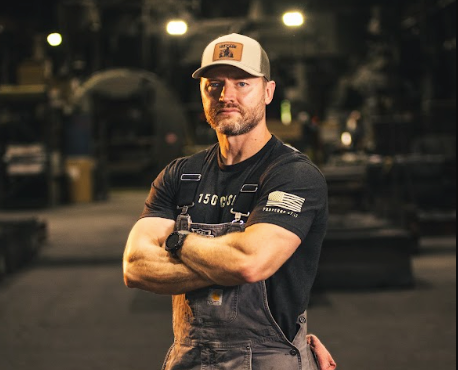
Kory Anderson
Manufacturer · Guinness World Record Holder · Keynote Speaker

America has lost a significant share of its foundries over the last several decades. The ones that remain are often aging facilities with aging workforces, outdated equipment, and the constant pressure of competing against overseas producers who don't face the same environmental regulations, labor costs, or quality standards. The American Foundry Society tracks this industry closely — and the data on domestic metalcasting capacity tells a sobering story.
What I Found When I Acquired Dakota Foundry
When I acquired Dakota Foundry in 2014, I wasn't buying a turnkey operation. I was buying a challenge — and an obligation. The foundry had history, it had capability, and it had people who knew how to make things. What it needed was investment, leadership, and a clear vision for what it could become.
The first thing you learn when you take over a legacy manufacturing business is that the institutional knowledge inside the building is irreplaceable. The veteran foundry workers who know how a particular alloy behaves, how to read a mold, how to troubleshoot a pour — that knowledge took decades to accumulate. You can't buy it. You can't download it. You have to earn the trust of the people who have it and create conditions where they want to pass it on.
Modernization and Craftsmanship Are Not Opposites
The second thing you learn is that modernization and craftsmanship are not opposites. New equipment, better process controls, and updated technology make the work more consistent, more efficient, and safer. They don't replace the skill of the people doing the work — they amplify it. The best foundries I've seen combine modern capability with deep craft knowledge.
Capital investment is essential, but it's not sufficient. You can put new equipment in a foundry and still fail if you don't have the right people, the right culture, and the right customers. Building a customer base that values quality and domestic production — and is willing to pay for it — is one of the hardest parts of running an American foundry today.
The Workforce Challenge Is Real and Getting Worse
Finding people who want to work in a foundry, who can handle the physical demands of the job, and who have the aptitude to learn the craft is genuinely difficult. We've addressed this partly through Iron Warrior Academy, which introduces young people to foundry work and other trades. But the industry as a whole needs to do more to make these careers visible and attractive.
Environmental Standards as a Point of Pride
Environmental compliance is another constant pressure. American foundries operate under strict regulations that their overseas competitors often don't face. That's a real cost disadvantage. But it's also a point of pride. The products we make are made responsibly, in facilities that meet American standards, by American workers.
Expanding Capacity: The Muncie Castings Acquisition
The acquisition of Muncie Castings in Indiana expanded our aluminum-casting capabilities and gave us a broader platform to serve customers across more industries. Every acquisition teaches you something new about what it takes to preserve manufacturing capacity in America — and reinforces why it's worth doing.
Reviving an American foundry is not a quick return on investment. It's a long-term commitment to a community, a workforce, and a capability that the country needs. The businesses that survive and thrive are the ones led by people who understand that — and who are willing to do the hard work that comes with it.
If you're considering acquiring or investing in a legacy manufacturing business, go in with your eyes open. It will be harder than you expect. It will also be more rewarding than you can imagine.
Follow Kory
Watch Kory build, cast, and manufacture on YouTube — behind the scenes of Anderson Foundries and the projects that define American craftsmanship.
Follow the BuildWork With Kory
Bring Kory to your stage or partner with him on a campaign that reaches manufacturing, farming, and skilled-trades audiences.
Book or PartnerTake the Next Step
Learn About Anderson Foundries
Last updated:
More Insights
Why Skilled Trades Are Becoming the Power Plan
The skilled trades should no longer be treated as a backup plan. Here's why they represent one of the most powerful career paths in America today.
Read ArticleBuilding the Impossible: Leadership Lessons From the 150 Case
The 150 Case took twelve years, hundreds of unique castings, and a team that refused to quit. Here's what that project taught me about leadership.
Read Article