
Why Skilled Trades Are Becoming the Power Plan
The skilled trades should no longer be treated as a backup plan. Here's why they represent one of the most powerful career paths in America today.
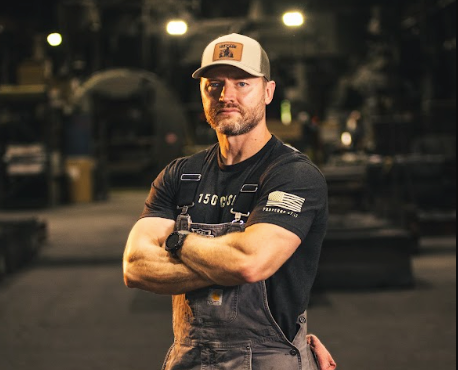
Kory Anderson
Manufacturer · Guinness World Record Holder · Keynote Speaker

For decades, the message sent to American students was clear: go to college or fall behind. The trades were the backup plan — what you did if the four-year path didn't work out. That message was wrong, and the consequences are now impossible to ignore.
A Shortage That's Been Building for a Generation
America is facing a skilled-trades shortage that threatens manufacturing, construction, infrastructure, and the basic functioning of the economy. According to the U.S. Bureau of Labor Statistics, the median age of workers in many skilled-trades occupations is well above the national workforce average, and hundreds of thousands of positions go unfilled every year. Entire industries are struggling to find qualified welders, machinists, pipefitters, electricians, and foundry workers.
I've seen this firsthand. At Anderson Foundries and Dakota Foundry, finding skilled workers is one of the most persistent challenges we face. Not because the work isn't good — it is. Not because the pay isn't competitive — it is. The problem is that an entire generation was steered away from these careers before they ever had a chance to discover them.
What Iron Warrior Academy Is Doing About It
That's why I founded Iron Warrior Academy. Not as a charity project. As a direct response to a real problem. We bring young people into working shops, put tools in their hands, and show them what it actually feels like to build something. The reaction is almost always the same: they didn't know this was an option.
The program isn't a career fair or a classroom presentation. It's hands-on time in a real facility, working alongside people who do this every day. That direct exposure changes how young people think about the trades — and it changes what they believe is possible for themselves.
The Real Opportunity in the Trades
The opportunity in the skilled trades today is extraordinary. A certified welder can earn more than many college graduates — without the debt. A machinist with five years of experience is genuinely hard to find and commands real wages. A foundry worker who understands metallurgy and casting is valuable in ways that are difficult to overstate.
But the opportunity isn't just financial. There's something that happens when you build something with your hands that no desk job can replicate. You can see it. You can touch it. You know you made it. That sense of purpose and accomplishment is real, and it matters.
The Mentorship Chain Is Breaking Down
Mentorship is the piece that's often missing. The trades have always been passed down through direct instruction — a journeyman teaching an apprentice, a shop foreman showing a new hire how to read a blueprint. That chain of knowledge transfer is breaking down as experienced tradespeople retire without successors. Rebuilding it requires intentional effort from manufacturers, schools, and community organizations.
The American Foundry Society has documented the workforce challenge facing the metalcasting industry specifically — an industry that produces critical components for defense, agriculture, automotive, and infrastructure. The foundry workforce is aging, and the pipeline of new workers is not keeping pace. That's a problem with national consequences.
National Security Starts on the Shop Floor
The workforce shortage also has national security implications that don't get enough attention. America's ability to manufacture critical components — for defense, infrastructure, energy, and agriculture — depends on having skilled people who can actually make things. When we lose that capability, we don't just lose jobs. We lose independence.
The good news is that the conversation is changing. More parents are asking whether college is the right path for their kids. More students are discovering the trades through programs like Iron Warrior Academy and finding that they love the work. More employers are investing in apprenticeships and on-the-job training because they have no other choice.
The skilled trades are not a backup plan. They are a power plan — for individual careers, for American manufacturing, and for the country's future. The sooner we treat them that way, the better off we'll all be.
Follow Kory
Watch Kory build, cast, and manufacture on YouTube — behind the scenes of Anderson Foundries and the projects that define American craftsmanship.
Follow the BuildWork With Kory
Bring Kory to your stage or partner with him on a campaign that reaches manufacturing, farming, and skilled-trades audiences.
Book or PartnerTake the Next Step
Book Kory to Speak on the Trades
Last updated:
More Insights
What It Takes to Revive an American Foundry
Preserving and modernizing a legacy American foundry is one of the hardest things a manufacturer can do. Here's what it actually takes.
Read ArticleBuilding the Impossible: Leadership Lessons From the 150 Case
The 150 Case took twelve years, hundreds of unique castings, and a team that refused to quit. Here's what that project taught me about leadership.
Read Article