
How to Modernize a Legacy Manufacturing Business Without Losing Its Soul
Technology and growth don't have to come at the cost of craftsmanship, culture, and community. Here's how to modernize without losing what matters.
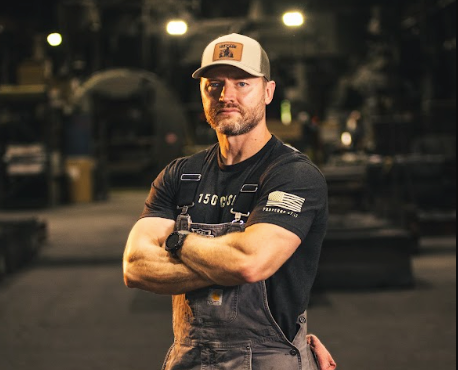
Kory Anderson
Manufacturer · Guinness World Record Holder · Keynote Speaker

Every legacy manufacturing business carries something that can't be replicated: the accumulated knowledge of the people who built it, the trust of the customers who depend on it, and the culture that holds it together. When you acquire or inherit one of these businesses, your first obligation is to understand what you have before you start changing it.
The Mistake Most Acquirers Make
I've seen manufacturers make the mistake of treating modernization as a clean slate. They bring in new equipment, new systems, and new processes — and in doing so, they disrupt the informal networks of knowledge and trust that made the business work. The result is often a technically upgraded facility that produces worse outcomes than before.
Start by Listening — Not Changing
The right approach starts with listening. Spend time on the floor. Talk to the people who have been there for twenty years. Understand why things are done the way they are before you decide to change them. Some of those practices will look inefficient on paper but serve important purposes that aren't obvious from the outside.
When I took over Dakota Foundry, I spent months on the floor before making any significant operational changes. The veteran workers knew things about that facility — about the alloys, the equipment, the customers — that I couldn't have learned any other way. That time was not wasted. It was the foundation for everything that came after.
Technology Should Amplify Skill, Not Replace It
The best manufacturing technology I've seen doesn't eliminate the need for skilled workers — it makes skilled workers more capable. A machinist with a modern CNC machine can produce work that would have been impossible by hand. But you still need the machinist. You still need the judgment, the problem-solving, and the craft knowledge that comes from years of experience.
Operational improvement and craftsmanship are not in conflict. Lean manufacturing principles, better process controls, and improved quality systems make the work more consistent and reduce waste. They don't diminish the pride that skilled workers take in their craft — they create conditions where that craft can be expressed more reliably.
Managing Growth Without Breaking Culture
Growth has to be managed carefully in a legacy business. Adding capacity, entering new markets, and taking on larger customers are all good things — but they have to be done at a pace the organization can absorb. Growing too fast can break the culture and the quality systems that made the business worth growing in the first place.
Employee Pride Is a Competitive Advantage
The people who work in American manufacturing facilities are often deeply proud of what they make and how they make it. That pride is a resource. It drives quality, reduces turnover, and creates the kind of institutional knowledge that competitors can't easily replicate. Protecting and cultivating that pride is one of the most important things a manufacturing leader can do.
Community Responsibility Is Real
Legacy manufacturing businesses are often anchored in communities that depend on them. The jobs they provide, the taxes they pay, and the economic activity they generate matter to real people. That responsibility should inform every major decision — not as a constraint, but as a source of purpose.
The businesses that successfully modernize without losing their soul are the ones led by people who genuinely respect what came before them. They're not trying to replace the past — they're trying to build on it. That's a fundamentally different mindset, and it produces fundamentally different results.
Modernization done right doesn't erase a legacy. It extends it.
Follow Kory
Watch Kory build, cast, and manufacture on YouTube — behind the scenes of Anderson Foundries and the projects that define American craftsmanship.
Follow the BuildWork With Kory
Bring Kory to your stage or partner with him on a campaign that reaches manufacturing, farming, and skilled-trades audiences.
Book or PartnerTake the Next Step
Explore Made By Anderson Brands
Last updated:
More Insights
Why Skilled Trades Are Becoming the Power Plan
The skilled trades should no longer be treated as a backup plan. Here's why they represent one of the most powerful career paths in America today.
Read ArticleWhat It Takes to Revive an American Foundry
Preserving and modernizing a legacy American foundry is one of the hardest things a manufacturer can do. Here's what it actually takes.
Read Article